
How Much Do Lip Fillers Cost: Hidden Costs and Details

Thinking about lip fillers but not sure what you’re actually going to pay when all is said and done? There is a common issue. Most people come in with a number they found online and leave surprised – sometimes pleasantly, sometimes not.
On average, lip fillers cost between $500 and $1,000 per syringe in the U.S., and most people need one syringe for their first treatment. But the total you’ll pay depends on several factors that your provider should walk you through before you ever sit in the chair. This post breaks it all down so you know exactly what to expect.
How to Treat Dark Circles? Top Treatments That Actually Work
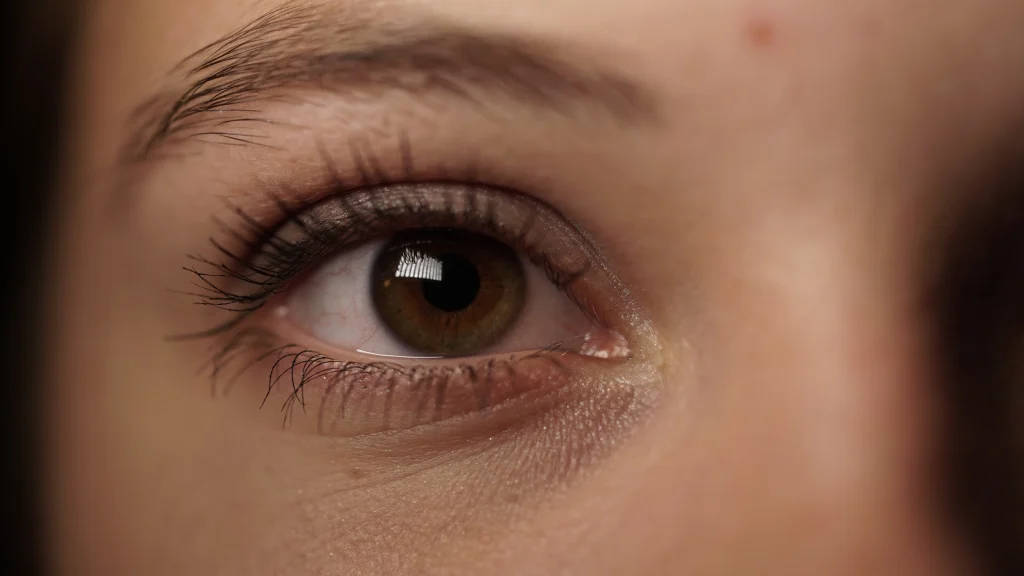
Dark circles are one of the most common cosmetic complaints, affecting people of all ages, skin types, and lifestyles. If you’ve spent years trying to cover them up with concealer and wondering whether anything will ever actually fix them, you’re not alone. The most effective dark circle treatment depends on the underlying cause. However, a combination of targeted skincare ingredients, lifestyle adjustments, and in some cases professional procedures can produce real, visible improvement. From retinol-based eye creams to in-office treatments, there are more options available today than ever before.
Semaglutide vs Injection Fat Burners: Which Weight Loss Treatment Works Best?

The weight-loss injection market has exploded in recent years, leaving many people wondering which treatments actually deliver results. While both semaglutide and fat-burning injections like lipotropic shots have their place in weight management, they work through completely different mechanisms and aren’t equally effective for everyone. Semaglutide has emerged as the more powerful option for significant weight loss, backed by extensive clinical research showing average weight reductions of 15-20%. Fat burner injections, on the other hand, serve as complementary treatments that may support metabolism and energy levels but lack the same level of clinical evidence for substantial weight loss on their own.